
Sembang dengan AVA - Perunding Perniagaan AI anda

Hai, saya Ava, panduan AI anda untuk meningkatkan perniagaan anda!
Sama ada anda sudah menjalankan perniagaan atau ingin memulakan perniagaan, saya di sini untuk membantu menjadikan visi anda menjadi realiti menggunakan pekerja bebas yang dikuasakan AI. Kongsi matlamat perniagaan anda dan bersama-sama, kami akan mencipta projek yang boleh dibida oleh pekerja bebas berbakat kami. Mari jadikan visi anda satu realiti!
Saya mempunyai perniagaan
Saya memulakan perniagaan
Sesuatu telah berlaku semasa menghantar perbualan ini ke e-mel anda. Sila cuba sebentar lagi.
Anda hanya boleh menyimpan perbualan anda sekali setiap jam. Sila cuba sebentar lagi.
Perbualan anda terlalu pendek. Teruskan bersembang dengan Ava untuk mendayakan penyimpanan.

Upah pakar
OpenSSL Developers
untuk sebarang pekerjaan
Jutaan orang menggunakan Freelancer.com untuk menjadikan idea mereka kenyataan.
Dipercayai oleh jenama termuka dan syarikat permulaan


Upah OpenSSL Developers



$32 setiap jam

$45 setiap jam


₹25 setiap jam


$30 setiap jam

$50 setiap jam

$12 setiap jam

₹18 setiap jam


$50 setiap jam
Klien menilai OpenSSL Developers kami
4.92 daripada 5
daripada 28,950 ulasan
Cara mengupah pekerja bebas yang hebat OpenSSL Developer
OpenSSL is the acronym for Open Secure Socket Layers and is defined as an application that is able to provide a set of cryptographic functions and can be used simultaneously as a cryptographic library for user-owned applications. It also sometimes referred to as a general-purpose library.
The purpose of an OpenSSl is for individuals to be able to create their own Certificate Authority. The Certificate Authority will then in turn allow the user to produce certificates that can be used in other programs. Consumers are generally put more at ease with completing online purchases or viewing and sharing content on a particular page if there is a recognizable security indicator visible on a page. Hiring an expert in OpenSSL will give consumers and buyers peace of mind and the added reassurance that a site is safe.
A programmer that is well-practiced in the use of the OpenSSL API will know how to smoothly navigate through the empty spaces where documentation typically is.
OpenSSL has an extensive trust certificate store that a trained developer can leverage.
An expert in OpenSSL will also be able to ensure that if the chosen certificate is installed and throws an error code, it can resolved.
An OpenSSL is designed to provide security for traffic that comes to and from web servers. Seeing a certificate representing security will reassure them that you are in fact a legitimate host. The reason an expert is required for the setup of an OpenSSL is to ensure that the certificate is truly working properly. By conducting a series of short tests, a developer will be able to confirm the status of your OpenSSL certificate.
While this this type of security can be beneficial to all kinds of websites, those that are most serviced are the individuals and companies that are manually managing their web server, an API server, or an email server. Those wishing to connect to a server via HTTP connection and then be able to test their connection in the same way will also have greater ease in doing so by hiring an OpenSSL expert to handle the project for them.
If you’re looking for a solution for your OpenSSL needs or if you are looking to trial a freelancer to see if they provide the levels of expertise you are looking for, using a platform such as Freelancer.com is a fantastic option.
Simply log onto the Freelancer.com website and search through a bank of talented freelancers who are willing and able to provide their services to you for your project. Visit Freelancer.com today to post your project and gain the assistance of an OpenSSL expert.

Freelancer Enterprise
Bajet syarikat? Selesaikan lebih banyak dengan murah
Gunakan tenaga kerja 50 juta kami untuk membantu bisnes anda mencapai lebih lagi.

Freelancer API
50 juta profesional dalam permintaan
Mengapa mengupah orang apabila anda boleh menggabungkan tenaga kerja awan berbakat kami dengan mudah?
Bagaiman mengupa OpenSSL Developer berfungsi

1. Siarkan pekerjaan

2. Pilih pekerja bebas

3. Jejak kemajuan

4. Bayar dengan selamat
Jadi tunggu apa lagi?
Siar projek hari ini dan dapatkan bida daripada pekerja bebas berbakat
Mempamerkan kerja daripada pekerja bebas kami
Dapatkan beberapa inspirasi dari projek OpenSSL

Temui Lanjut
Reka Bentuk Laman Web.
$540 USD dalam 7 hari.
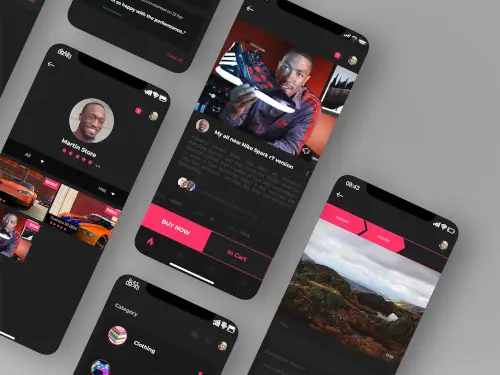
Temui Lanjut
Reka Bentuk Aplikasi.
$100 USD dalam 1 hari.

Temui Lanjut
Laman web.
$430 USD dalam 1 hari.

Temui Lanjut
Reka Bentuk Laman Web.
$140 USD dalam 13 hari.
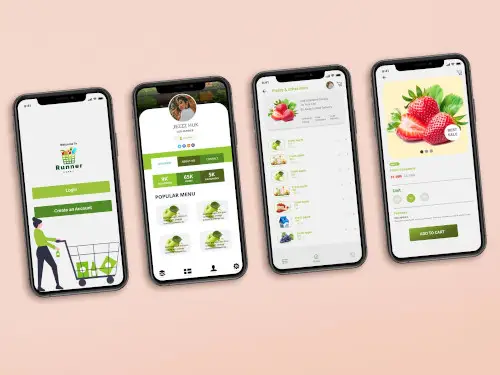
Temui Lanjut
Reka Bentuk Aplikasi.
$200 USD dalam 19 hari.
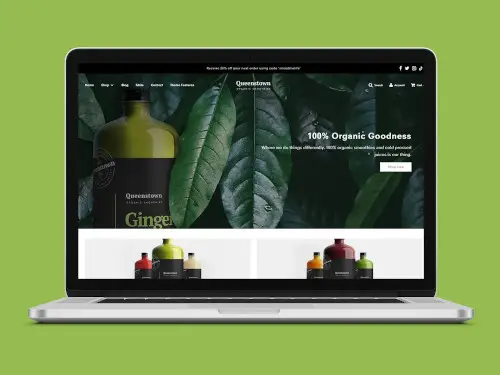
Temui Lanjut
Laman web.
$150 USD dalam 13 hari.

Temui Lanjut
Laman web.
$240 USD dalam 1 hari.

Temui Lanjut
Laman web.
$100 USD dalam 1 hari.
Seperti yang ditampilkan dalam


Pasaran terbesar di dunia
Jutaan pengguna, dari bisnes kecil hingga perusahaan besar, pengusaha hingga permulaan, menggunakan Freelancer untuk mengubah idea mereka menjadi kenyataan.
73.1M
73.1M
Pengguna Berdaftar
23.7M
23.7M
Jumlah Pekerjaan Disiarkan
Mencari pekerja bebas untuk jenis kerja lain?
Terima kasih! Kami telah menghantar pautan melalui e-mel kepada anda untuk menuntut kredit percuma anda.
Sesuatu telah berlaku semasa menghantar e-mel anda. Sila cuba lagi.



Salin ke papan keratan gagal, sila cuba lagi selepas melaraskan kebenaran anda.
Disalin ke papan keratan.
Memuatkan pratonton
Kebenaran diberikan untuk Geolocation.
Sesi log masuk anda telah luput dan telah dilog keluar. Sila log masuk sekali lagi.